Battleshoop
My brother got a Stomprocket set, and the bad ideas started rolling from there, culminating in, “let’s build a lawn sized version of Battleship! But not legally affiliated with Hasbro in any way!”
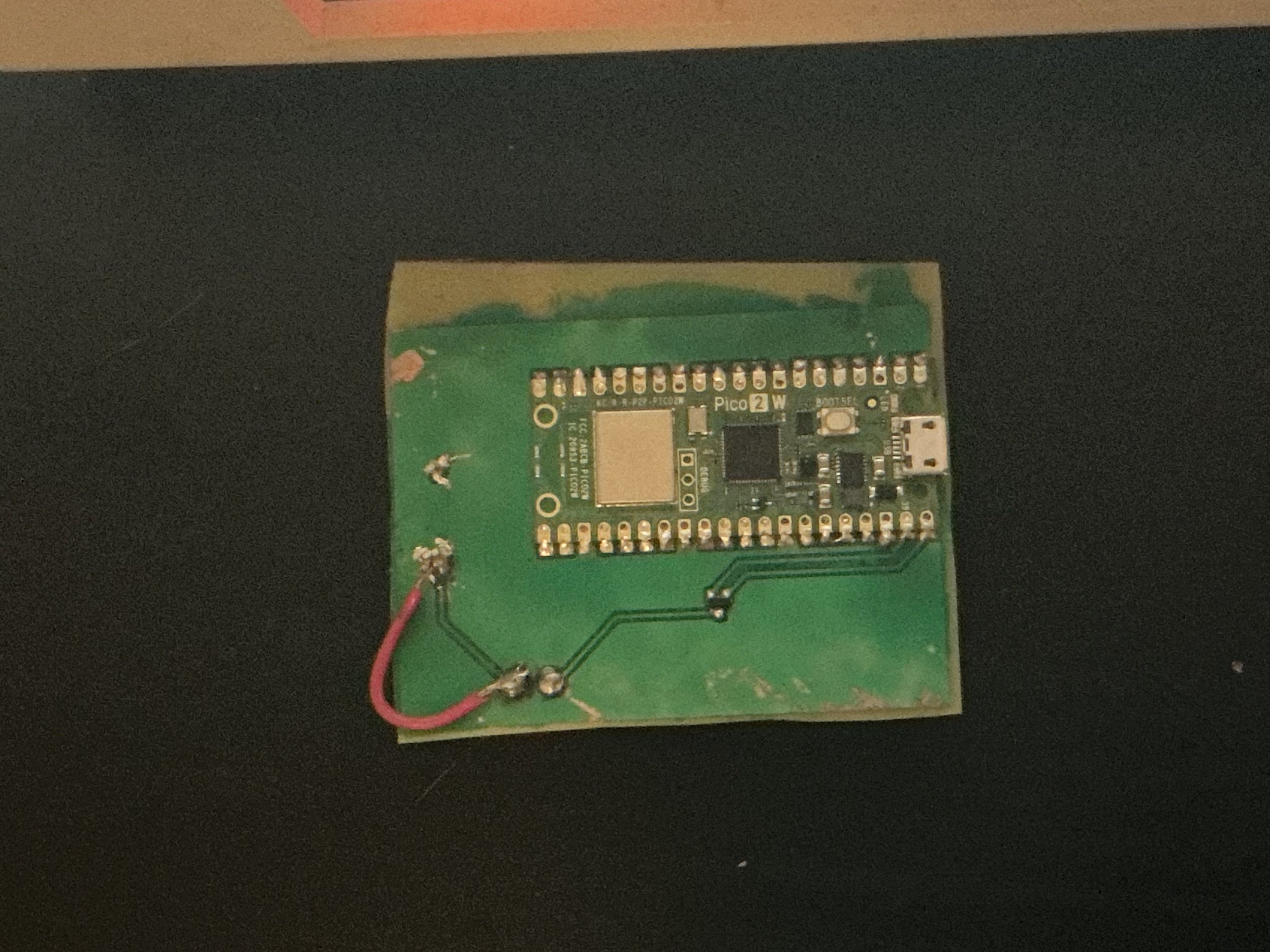
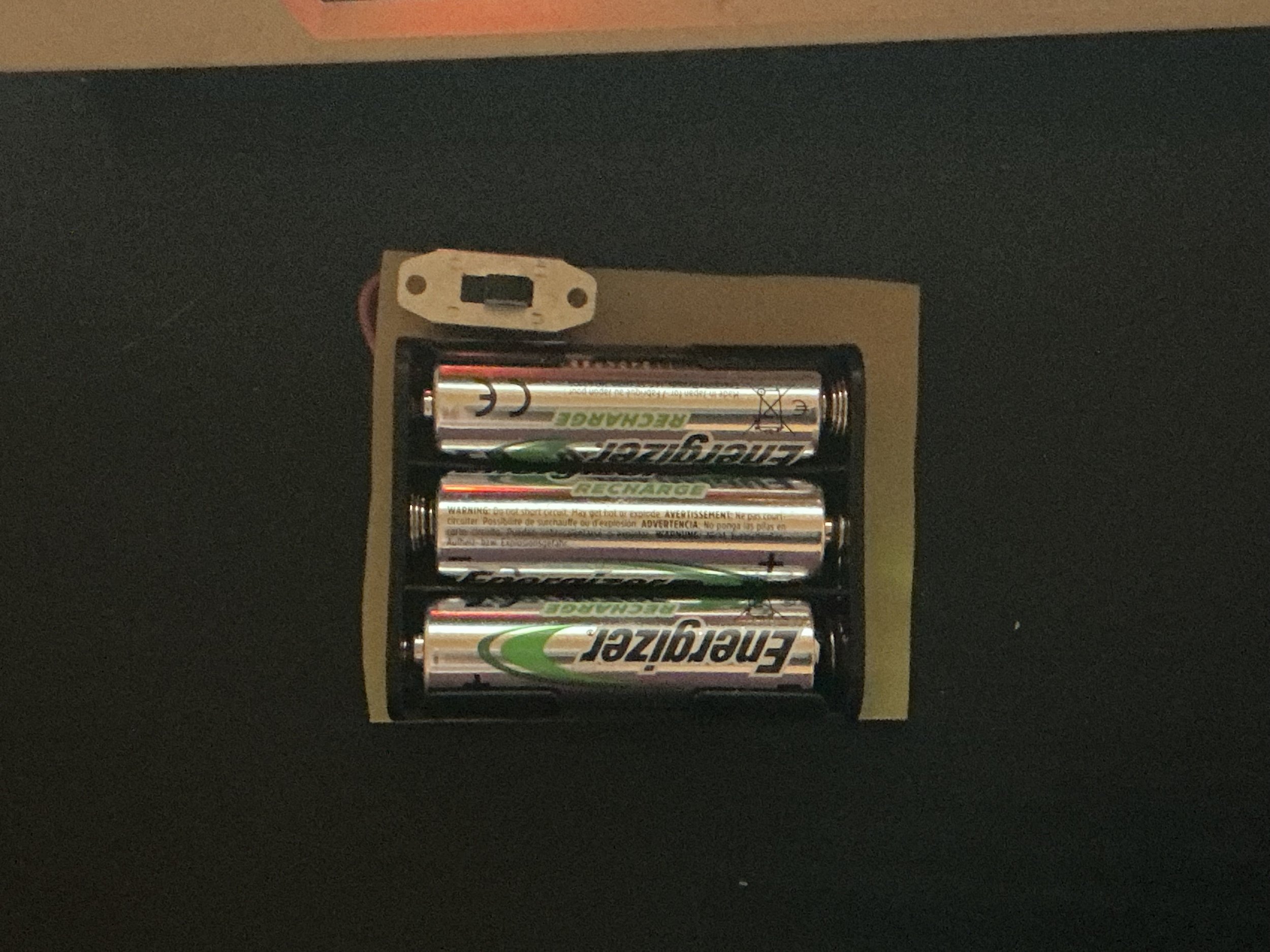
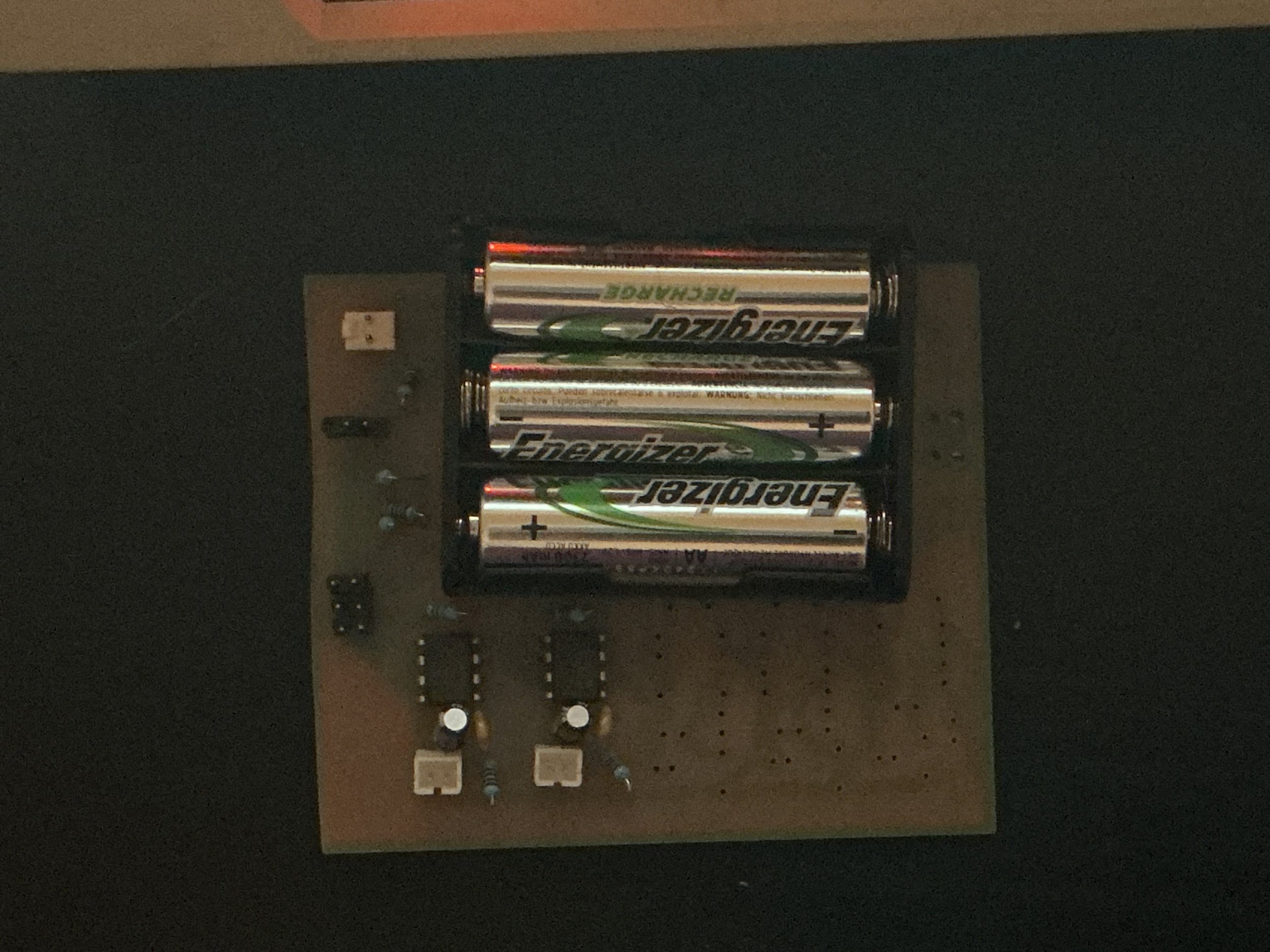
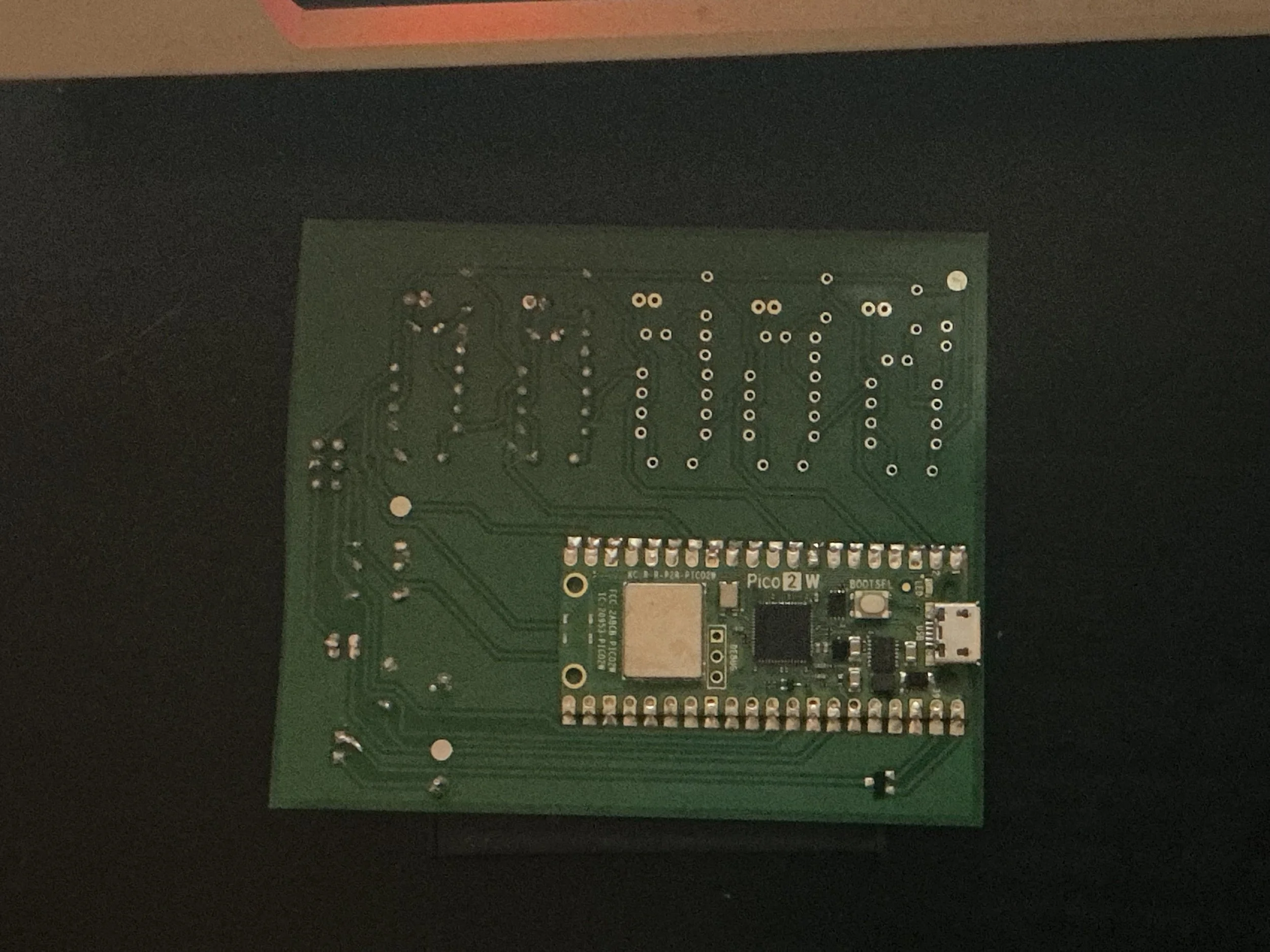
Each of the “ships” reports a hit to a central receiver, and that publishes data to an iOS app. Multiple people can have the app installed, so the whole picnic can follow the game! Except you can’t, because I would get into legal trouble if I tried to sell it. But otherwise, you could.
It had its first test-play last weekend at a church BBQ, and I wasn’t able to get pictures of the kids playing with it, but they seemed to have fun. There were definitely some casualties, and I didn’t finish all of the ships. The unfinished ships were almost invisible against the grass because they didn’t have the covers on them, but the team playing against the “stealth fleet” won, anyway, so it must not have been too big a hindrance.
We started coming up with rules, like the launcher can’t be farther forward than the furthest-forward ship. Maybe the shooter will be tied to the Battleship when I make that (but I stopped with the three smallest ships).
I also didn’t bother with any of the electronics, and it was at least as fun with no electronics than with them, and setting it up seemed like it was asking for trouble (then I realized I left my iPad charging at home, anyway). That will hopefully be better when there’s real boxes to put the electronics in, and they’re attached to the ships, but we’ll see.
Improvements:
The electronics need to be permanently attached to the ships. Moving them around is always a source of uncertainty, and I’m never confident enough in the craftsmanship that I believe they will work, even if they do.
I need to write down what the error codes are. All I have are blinking lights, and I can’t remember the codes. Maybe a diagnostic app that doesn’t require bringing my laptop.
No screw holes in the PCBs. This is the kind of thing that always overwhelms me with details and derails the project, but I think that’s just practice. Most people who do this professionally have parts they’ve standardized on and don’t have to think about every decision, but I do. But without screw holes in the PCB, they can’t be put into boxes, which makes #1 trouble.
It would be nice to have test pads on the PCB so I could drop them on a jig and have a Raspberry Pi or Arduino run a test sequence with pins reaching up touching test pads on the PCB. But that would require 1. a lot of time and 2. screw holes or registration holes to align the board with the pins on the test board.
The ships should be stackable. I don’t know how different-sized ships with cloth coverings would be stackable, but they should be stackable.
The ships are too much work to make. I have ideas on making the coverings velcro so they don’t have to be sewn on, but the wire frames take forever. But nothing has occurred to me.